Dreaming Tree Typeface: A Small Business Brand Upgrade Review
It was a Tuesday afternoon, and I was staring at a stack of kraft paper tags that needed to say something more than just my shop’s name. I run a small botanical skincare line, and for months, my packaging had been functional but forgettable. The labels were clean, sure, but they lacked the warmth and personality I wanted customers to feel when they opened a box. I needed a design refresh that wouldn’t require a full rebrand or a graphic design degree. That’s when I started testing Dreaming Tree, a dingbats font with a natural theme that promised to bring texture and charm to everyday business materials.
What I found surprised me. This wasn’t just a set of decorative symbols. It was a quiet helper that made my product labels, thank-you cards, and even my Instagram templates feel more intentional. Dreaming Tree gave my brand a visual voice that felt grounded, organic, and approachable. If you are a small business owner looking to elevate your packaging, menus, or shop graphics without overhauling your entire identity, this font deserves a closer look.
What Makes Dreaming Tree Different from Standard Dingbats Fonts
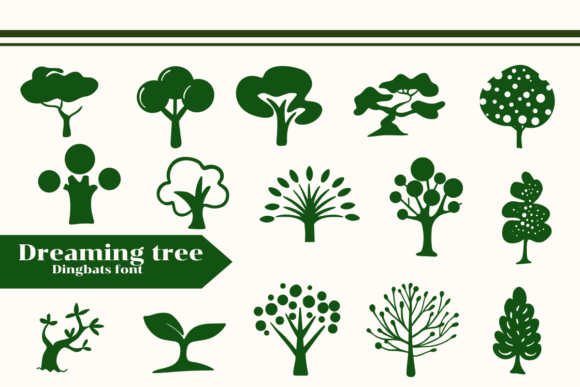
Dingbats fonts often get treated as afterthoughts—a collection of random icons that are hard to match with a brand’s style. Dreaming Tree breaks that mold. Its natural theme is built around leaves, branches, botanical silhouettes, and organic shapes that feel like they belong together. The consistency in stroke weight and scale means you can place multiple elements side by side without visual chaos.
I used the font to create a custom border for my product labels. The result looked like a hand-drawn illustration, not a clip-art shortcut. The font’s mood is gentle, earthy, and slightly rustic, which works beautifully for businesses in the wellness, handmade, food, and lifestyle spaces. Whether you run a café, a boutique, a bakery, or a coaching brand, Dreaming Tree adds a layer of craftsmanship that feels personal.
From a design standpoint, this is a display font and decorative dingbats font best suited for headlines, short phrases, logos, packaging titles, and accent elements. It is not designed for long body text, but that is exactly where its strength lies. It shines when used sparingly and intentionally.
Real Uses for Small Business Branding Materials
I tested Dreaming Tree across several customer-facing touchpoints to see if it could hold up in real business scenarios. Here is what worked and what required some thought.
Product Labels and Packaging Design
My facial oil bottles had plain white labels with a simple sans serif font. They were readable but soulless. I added a Dreaming Tree botanical icon as a subtle watermark behind the product name and used another leaf element as a divider between ingredients and usage directions. The difference was immediate. The labels felt cohesive and premium, like something from a small-batch apothecary. The key was not to overcrowd. One or two well-placed decorative elements were enough to change the entire feel.
For a candle maker friend who tested it on her jar labels, the font’s branch silhouette worked perfectly as a vertical accent beside the scent name. It gave her packaging a distinct identity that customers noticed on crowded market tables.
Business Cards and Thank-You Cards
Business cards are often the first physical impression a customer gets. I printed a small batch using Dreaming Tree for the border and a simple sans serif for my contact details. The cards felt warm and inviting without looking busy. For thank-you cards, I used a small leaf icon as a bullet point next to a handwritten note. It was a tiny detail, but several customers mentioned it made the unboxing feel more thoughtful.
Menus and Flyers
A café owner I know wanted to refresh her seasonal menu without hiring a designer. We used Dreaming Tree to create a subtle header border and a decorative line separating sections. The sans serif pairing kept the menu readable, while the dingbats added character. The same approach worked for a flyer promoting a weekend special. The font helped the flyer look custom without the cost of custom illustration.
Social Media Graphics and Online Shop Banners
Instagram templates and Etsy banners need to grab attention quickly. I used Dreaming Tree elements as background accents and divider lines in my social media posts. The font’s natural shapes scaled well on mobile screens, and the graphics felt more cohesive because the decorative elements matched the style I used on my packaging. For an online shop banner, I placed a branch silhouette behind the shop name. It created depth without distracting from the message.
How Dreaming Tree Helps Build Brand Consistency and Recognition
Small businesses often struggle with visual consistency. You might have a logo from one designer, social media graphics made in a different tool, and packaging designed by yourself at 11 p.m. The result can feel scattered. Dreaming Tree offers a simple way to tie those pieces together. When the same leaf motif appears on your labels, your website header, and your business cards, customers start to recognize your brand at a glance.
Typography affects first impressions more than most business owners realize. A font that feels rushed or generic can make your products seem mass-produced. A font like Dreaming Tree, with its deliberate natural theme, signals that you care about the details. It suggests your brand is thoughtful, grounded, and connected to nature. For businesses in the handmade, organic, wellness, or artisan space, that perception is gold.
Readability requires honest consideration. On small labels, the thinner decorative elements can get lost if printed too small. I recommend using Dreaming Tree at a minimum size of 10 to 12 points for decorative accents, and pairing it with a clean sans serif or serif font for all essential information like ingredients, pricing, and contact details. On social media thumbnails and mobile screens, the elements remain clear as long as they are not scaled below 30 pixels in height. Test a print sample and a mobile preview before committing to a large production run.
Simple Font Pairing Ideas That Work
Dreaming Tree is a dingbats font, so pairing it with a readable text font is essential for professional results. Here are combinations I tested and recommend:
- Clean sans serif: A modern sans serif like a simple geometric or humanist style keeps the overall look fresh and accessible. This pairing works for skincare labels, café menus, and boutique tags where clarity matters.
- Elegant serif: A classic serif font adds a touch of tradition and refinement. This combination is ideal for wedding invitations, artisan packaging, and editorial-style social media graphics.
- Script or handwritten font: A light script paired with Dreaming Tree creates a romantic, handmade feel. Use this for thank-you cards, personal notes, or decorative quotes. Keep the script simple so it does not compete with the dingbats.
- Modern typography style: A neutral, minimalist font with high readability ensures your business information stays legible while the dingbats do the decorative work. This is my go-to for product labels and flyers.
When pairing, limit yourself to two fonts total, including Dreaming Tree. Three or more fonts risk visual clutter, especially on small formats like business cards or jar labels. Let the dingbats be the accent, not the main text.
Practical Considerations Before You Use Dreaming Tree Commercially
Before you start designing, it is smart to check the included styles, file formats, and licensing details. Dreaming Tree typically comes in OTF and TTF formats, which work across major design software and most online platforms. Confirm whether the font includes alternate characters, ligatures, or multilingual support if your product labels or menus require special characters or accented letters.
Commercial font licensing is important for small business owners. If you plan to use Dreaming Tree on products, packaging, merchandise, templates, client work, or digital downloads, verify that your license covers commercial use. Using a font without the proper license can create legal and professional headaches down the road. Most reputable font foundries offer clear licensing tiers, so read the terms carefully.
The font’s natural theme is versatile, but it may not suit every brand. If your business relies on a sleek, urban, or highly modern aesthetic, the organic shapes might feel out of place. Dreaming Tree shines brightest for brands that want to communicate warmth, nature, and handmade care. It is a tool for businesses that value personality over polish in the best sense.
I have now used Dreaming Tree across multiple projects, from packaging to promotions, and it has become a reliable part of my design toolkit. It does not try to be the loudest element on the page. Instead, it quietly elevates everything around it. For small business owners who want their brand to feel more consistent, memorable, and customer-friendly, this dingbats font offers a simple upgrade that delivers real visual impact.